Use cases
How teams are putting Execution Intelligence™ to work.
Operational transformation teams turn strategic intent into operational reality.
But the complexity of cross-team alignment extends discovery for months.
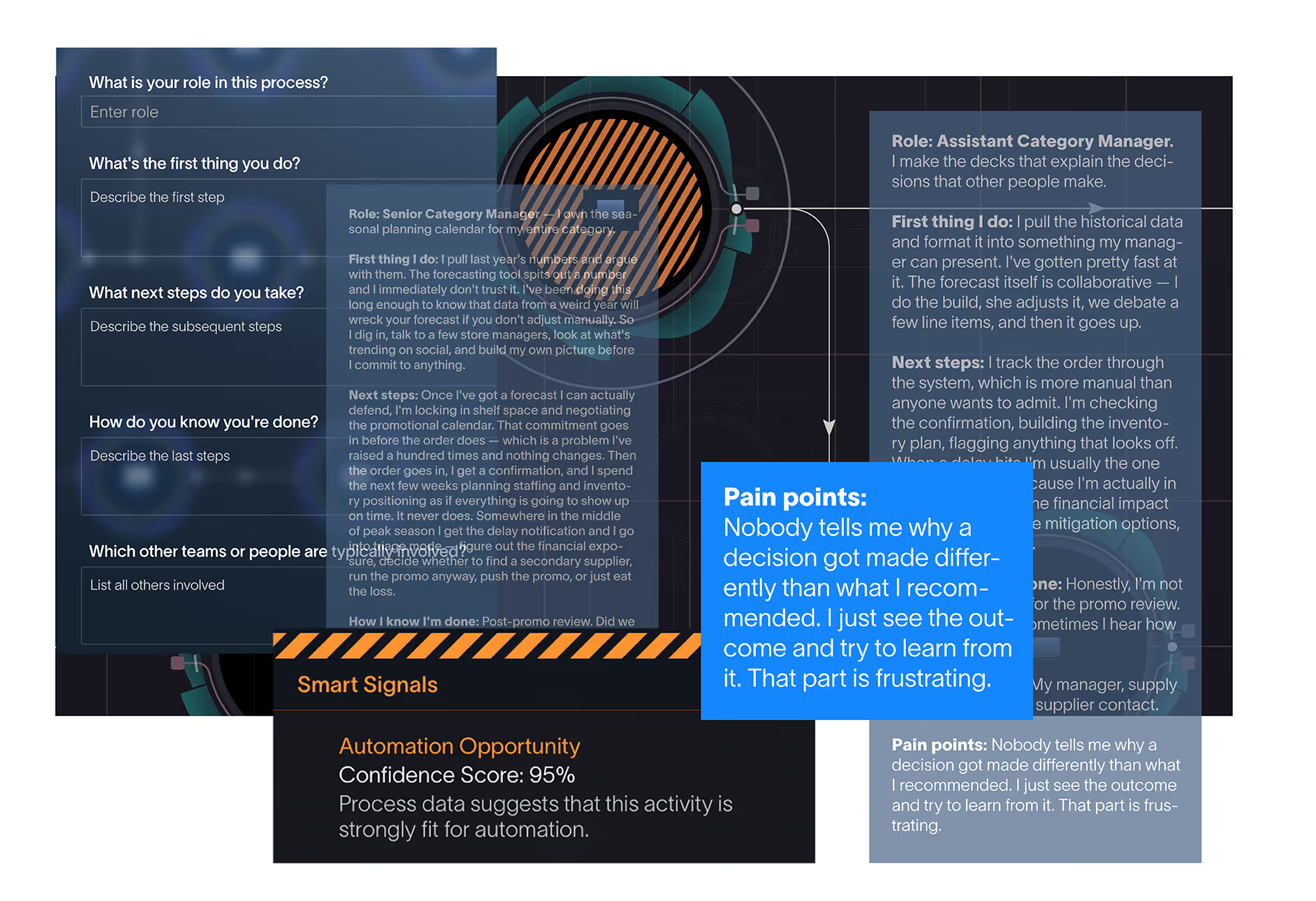
 EnterpriseDesignCatalogChange request|V0.1XHO
“Urgent changes skip the CAB and get approved in chat.”
“I re-enter every request into Jira by hand.”
“We only see a change after it is deployed. By then the risk review is a formality and nobody reopens it.”
“Nobody tracks what a failed change costs.”
“Standard changes wait a week for one signature.”
“Triage depends on who picks up the ticket. Two of us route by instinct, the rest follow a checklist from 2021.”
“Rollback plans live in a shared drive.”
“Risk scoring is a spreadsheet emailed on Fridays, then copied into three other trackers before anyone approves.”
 EnterpriseDesignCatalogChange request|V0.1XHO
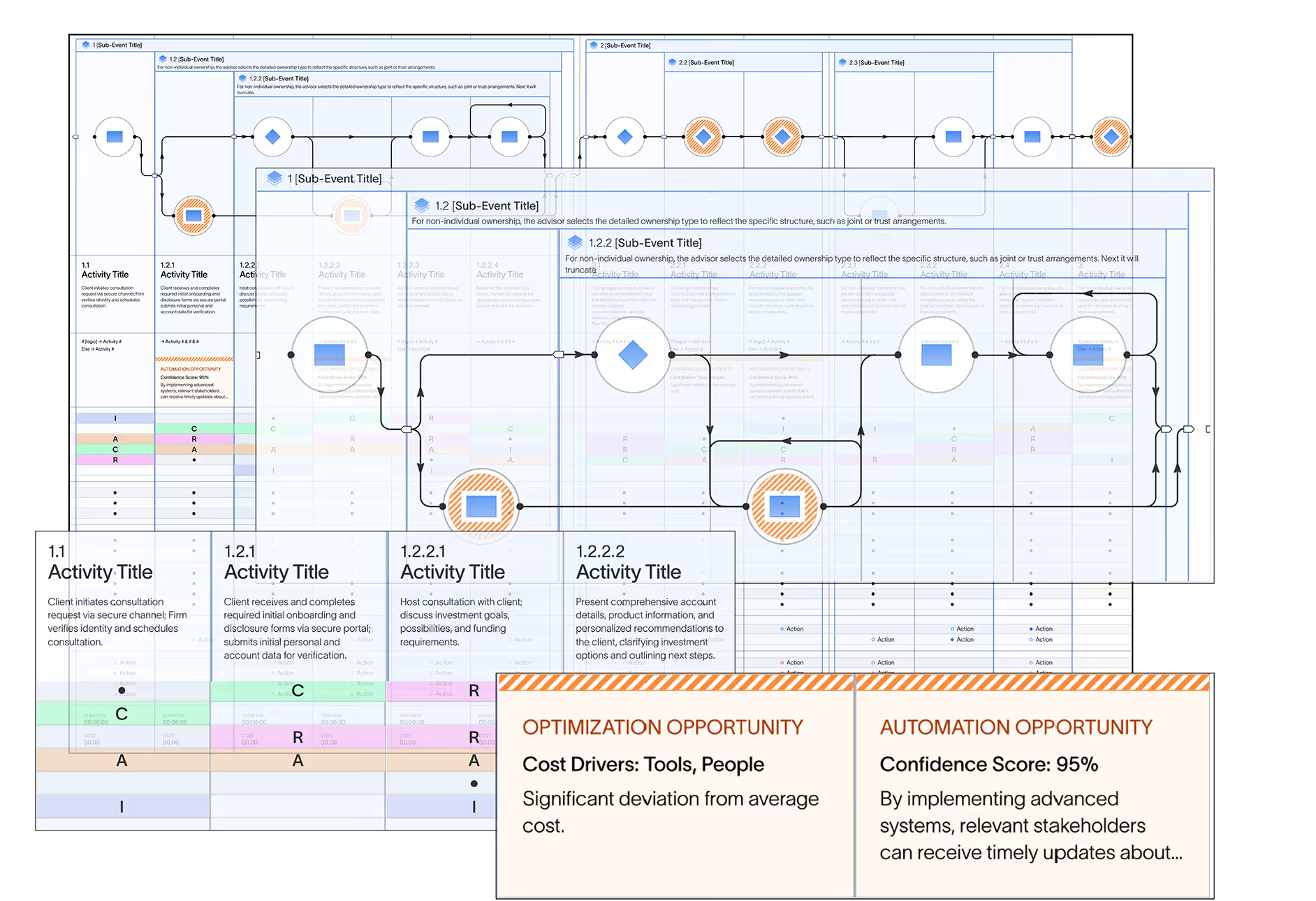 EnterpriseDesignCatalogDFM process model
Design for manufacturing review. Vendors present, prototype, and complete a lab study before award.
AI Strategy teams turn AI ambition into business value.
But grounding that ambition in operational reality takes significant time and effort.
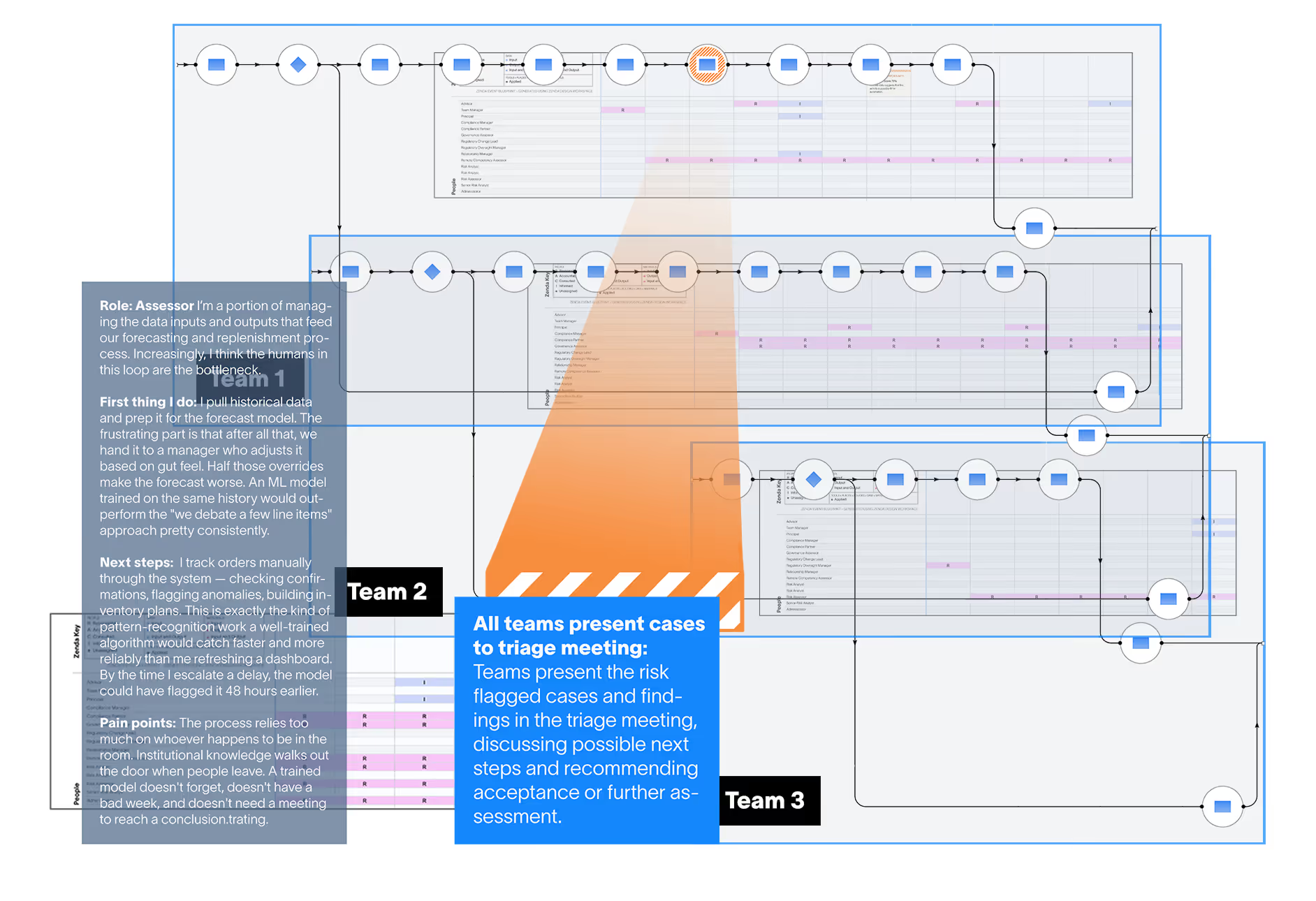 EnterpriseDesignCatalogInvoice processing|V0.1XHO
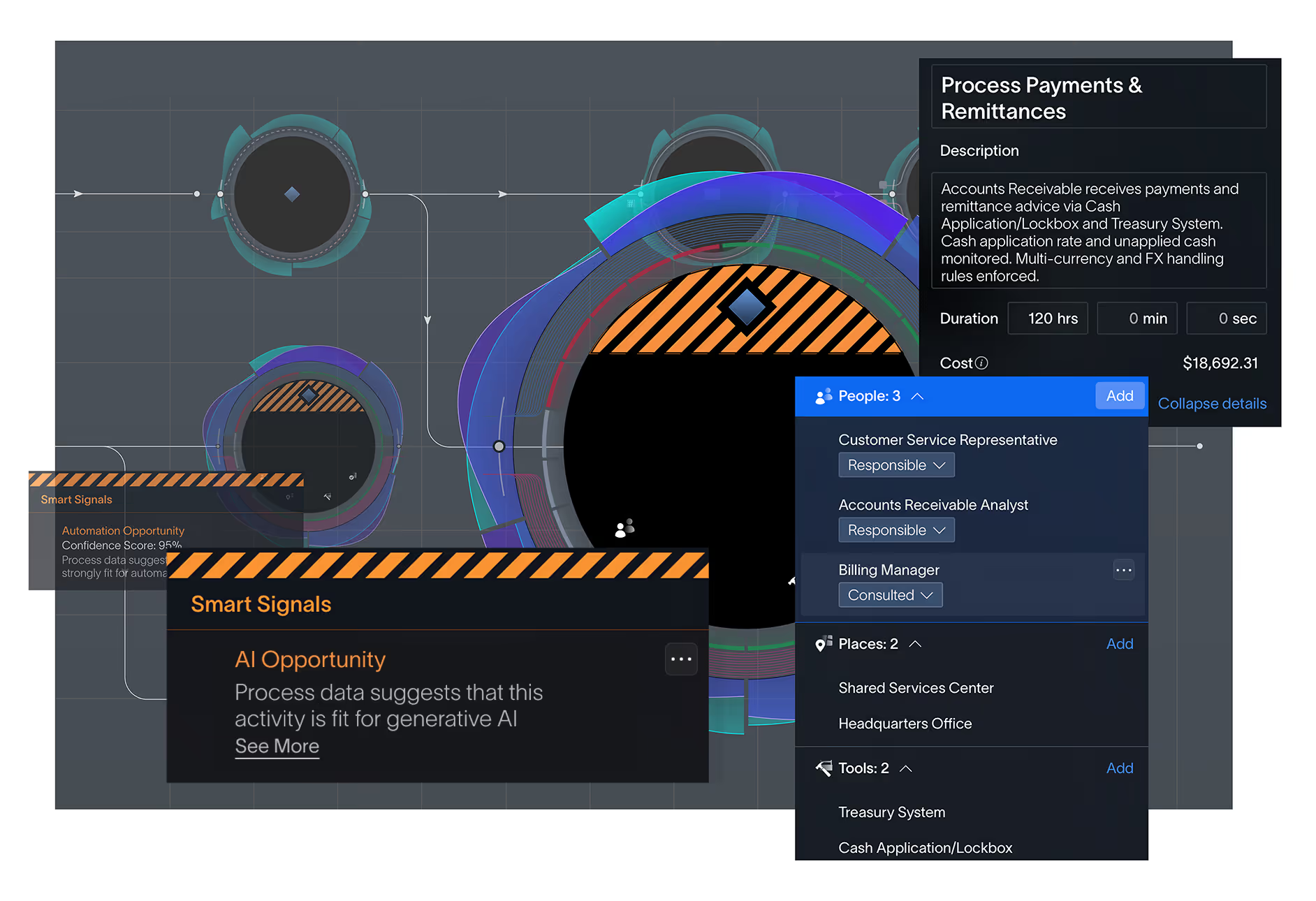 EnterpriseDesignCatalogInvoice processing|V0.1XHO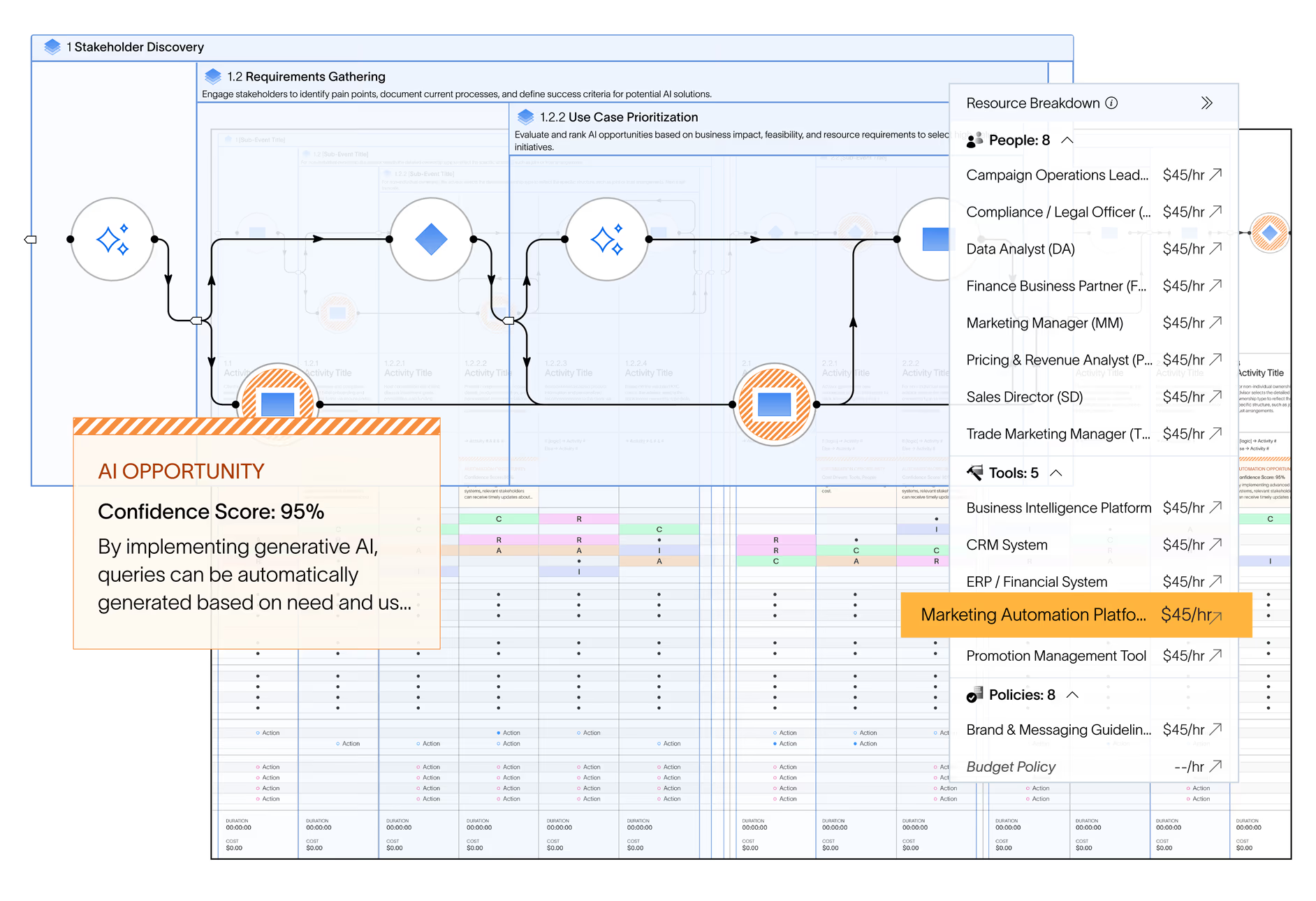
Receipt, matching, approval, and payment of supplier invoices across 4 teams.
Process excellence teams keep operations reliable at scale.
But seeing the inevitable drift of work, identifying the root cause of problems, and defining core levers for optimization takes significant manual effort.
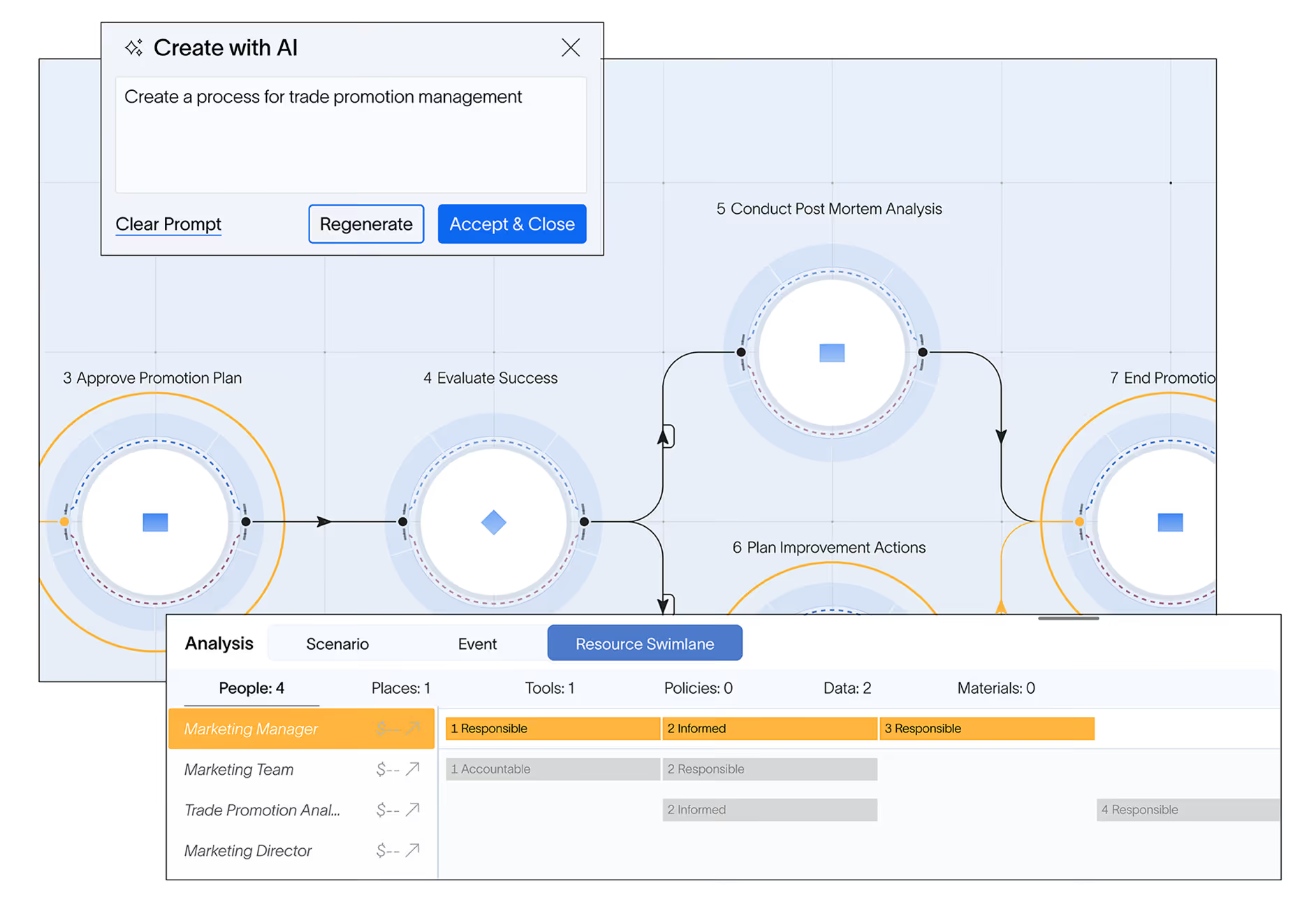 EnterpriseDesignCatalogTrade promotion management|V2.3XHO
“Retailers push back on terms, so we renegotiate before anything is approved.”
“Most revisions get approved over email, not in the system.”
 EnterpriseDesignCatalogChange request|V0.1XHO
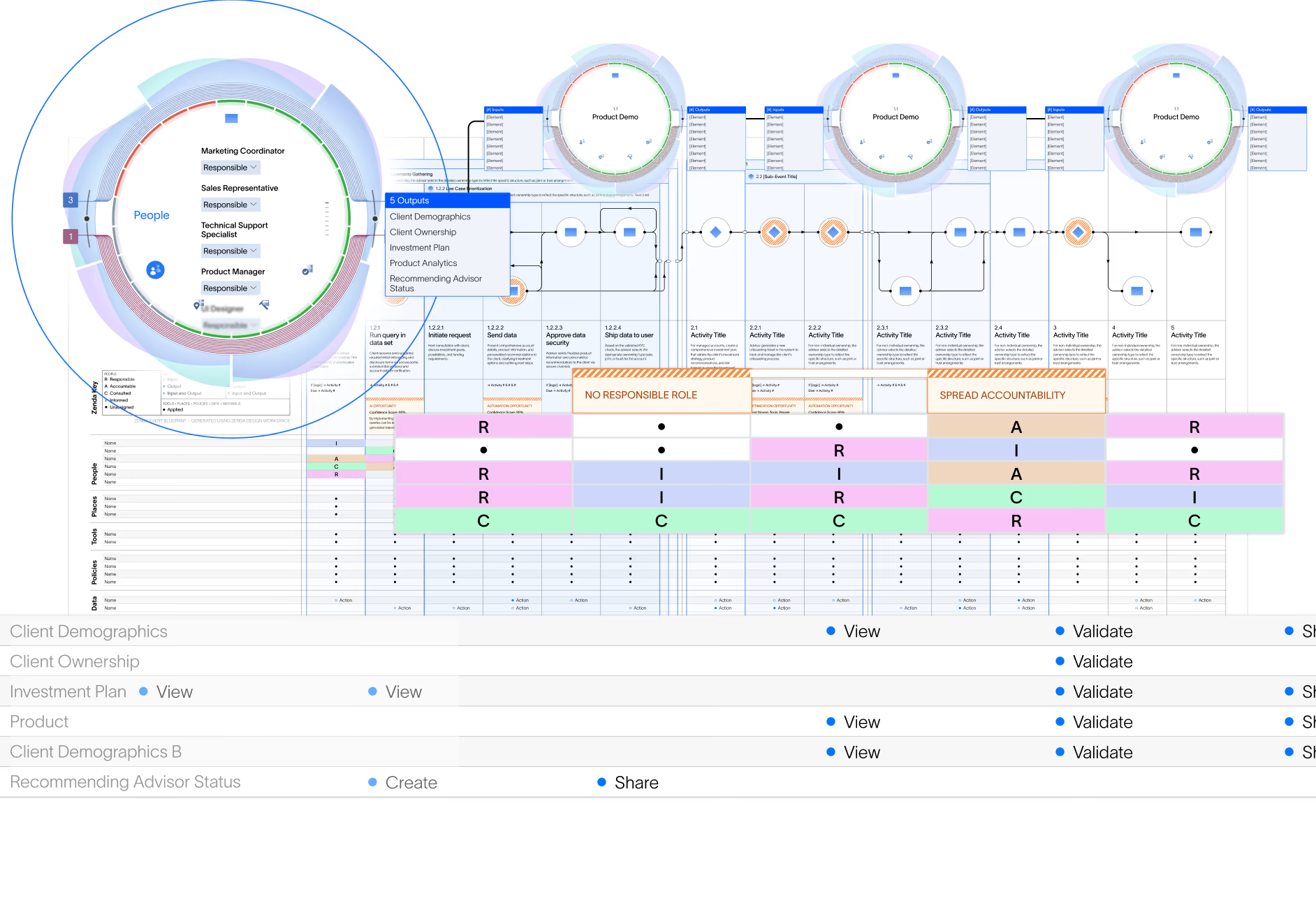 EnterpriseDesignCatalogDFM process model
Design for manufacturing review. Vendors present, prototype, and complete a lab study before award.
M&A teams formulate integration strategies to protect deal value.
But full execution risk becomes visible day-one, post-close.
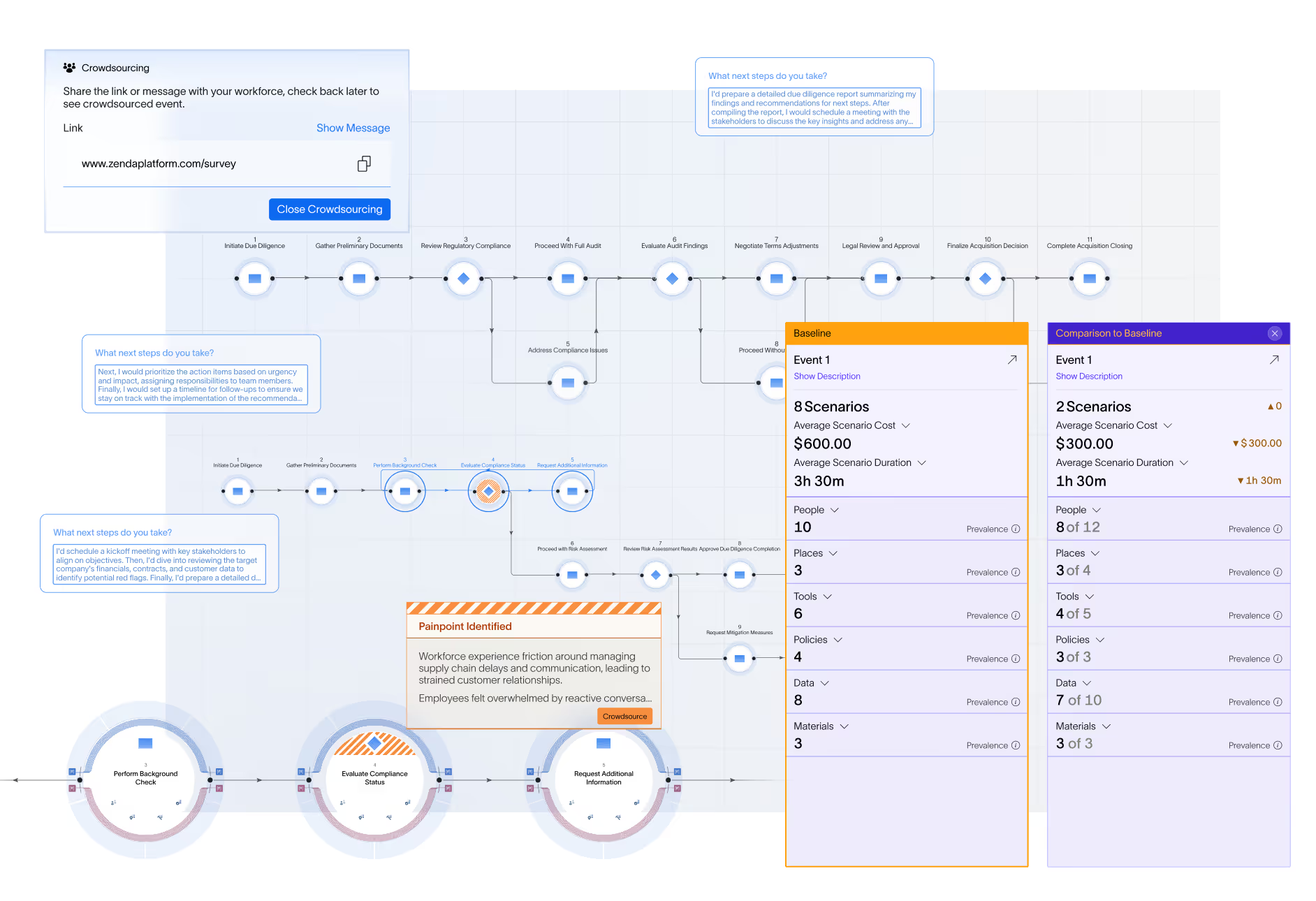 EnterpriseDesignCatalogCustomer onboarding|V0.1XHO
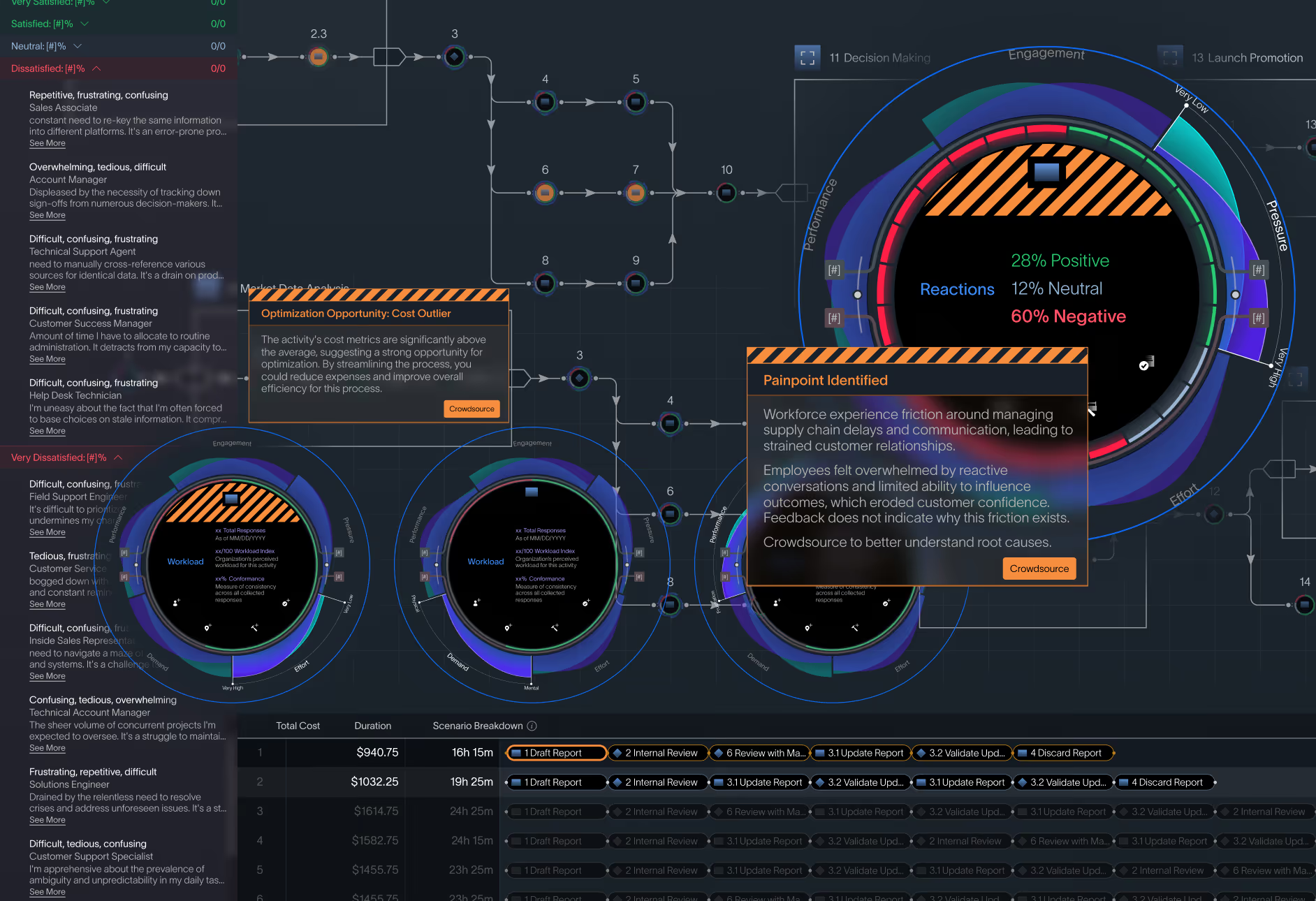 EnterpriseDesignCatalogChange request|V0.1XHO
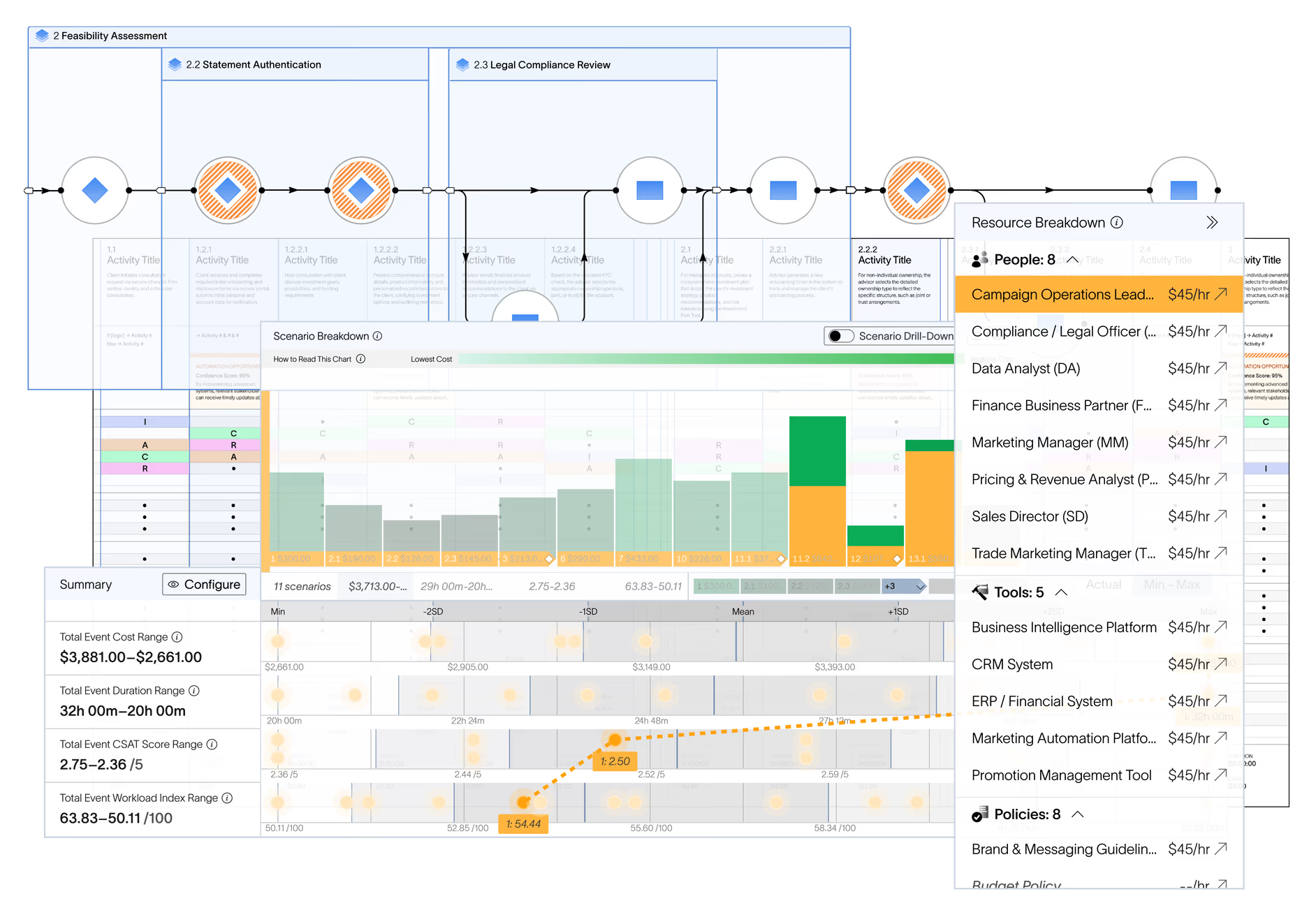 EnterpriseDesignCatalogDFM process model
Design for manufacturing review. Vendors present, prototype, and complete a lab study before award.
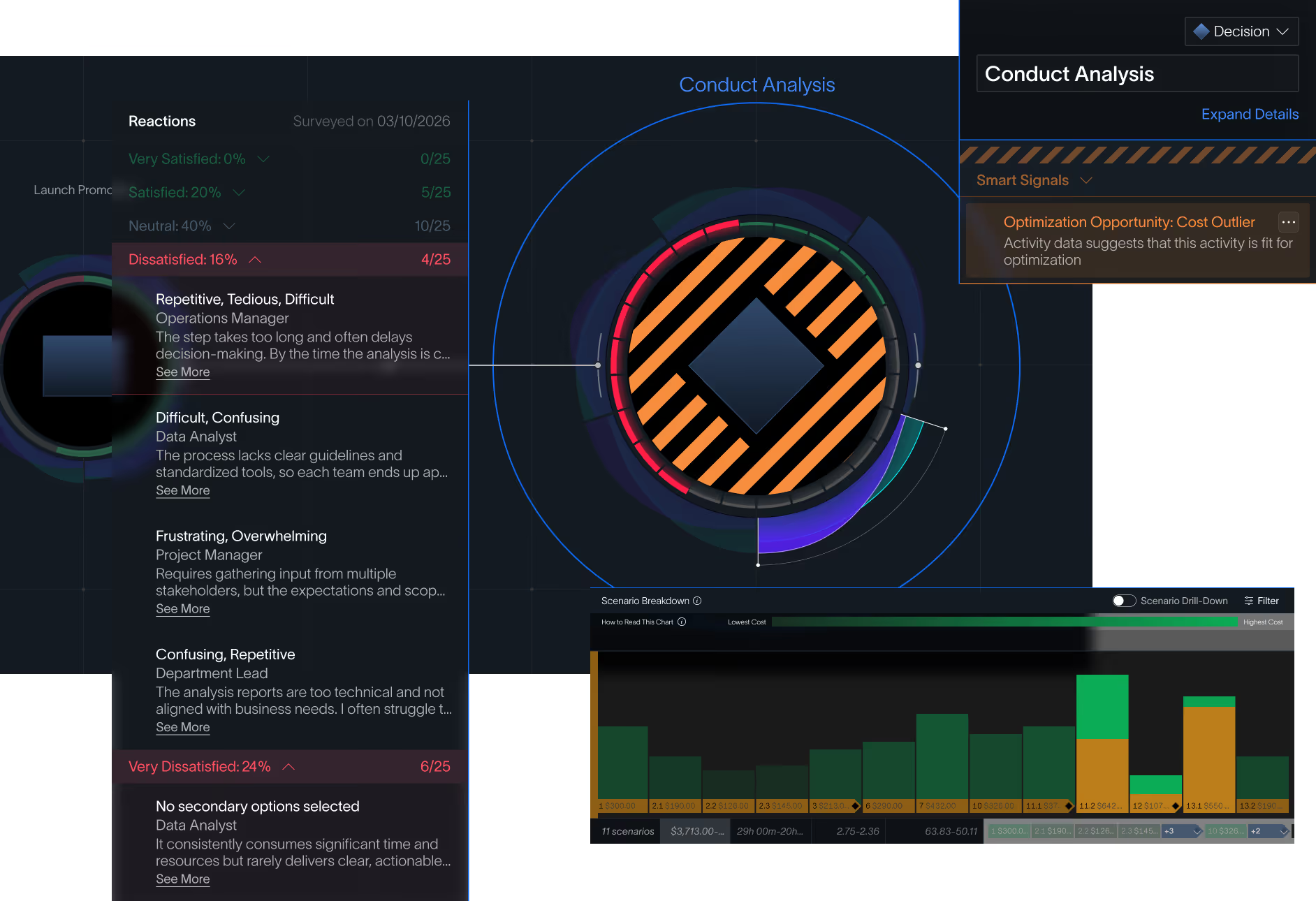
Experience teams drive customer and employee trust.
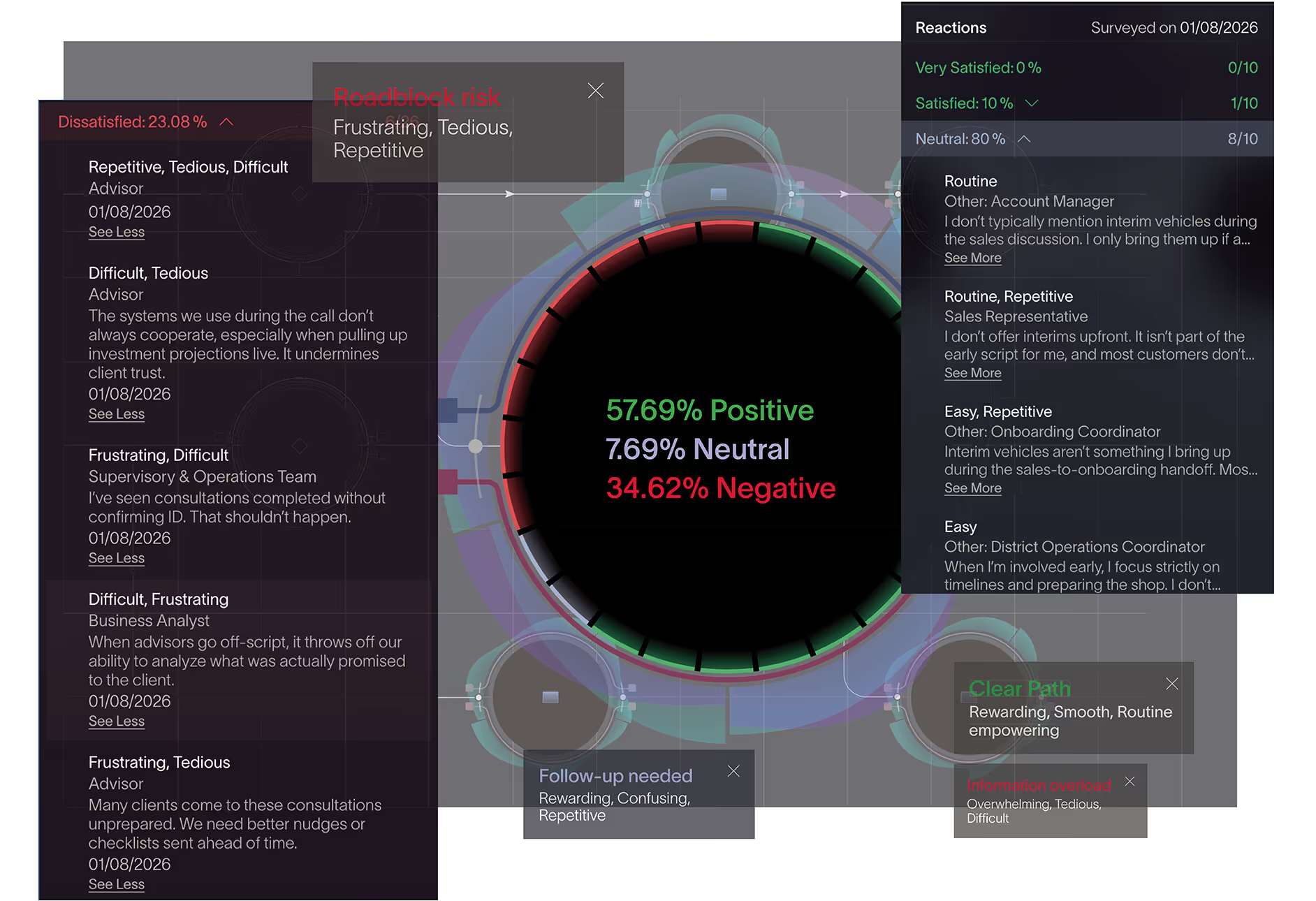
But reliance on high-level surveys, anecdotes, and qualitative toolkits make it hard to connect sentiment to the measurable impact on operational events.
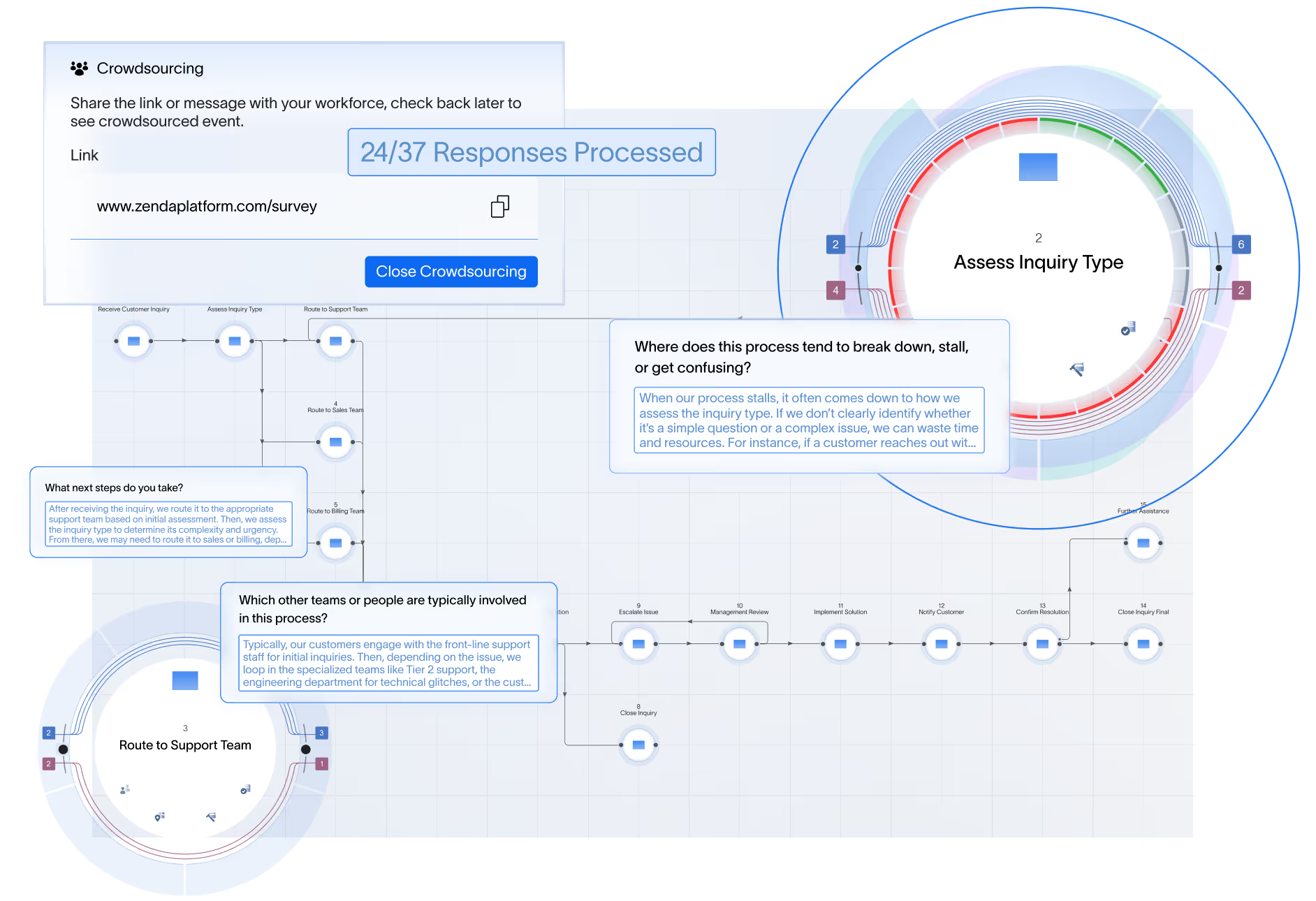 EnterpriseDesignCatalogCustomer onboarding|V0.1XHO
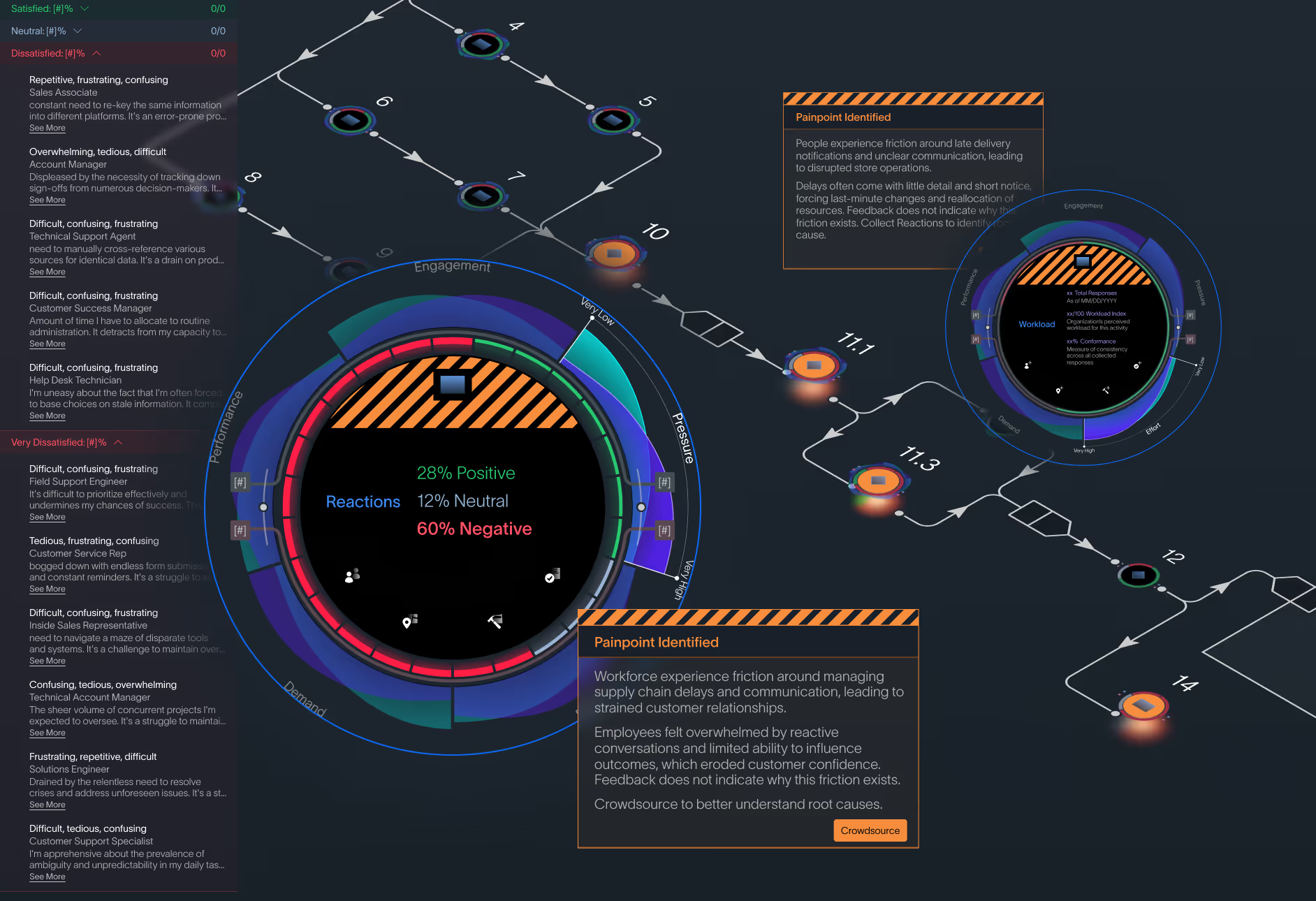 EnterpriseDesignCatalogInvoice processing|V0.1XHO
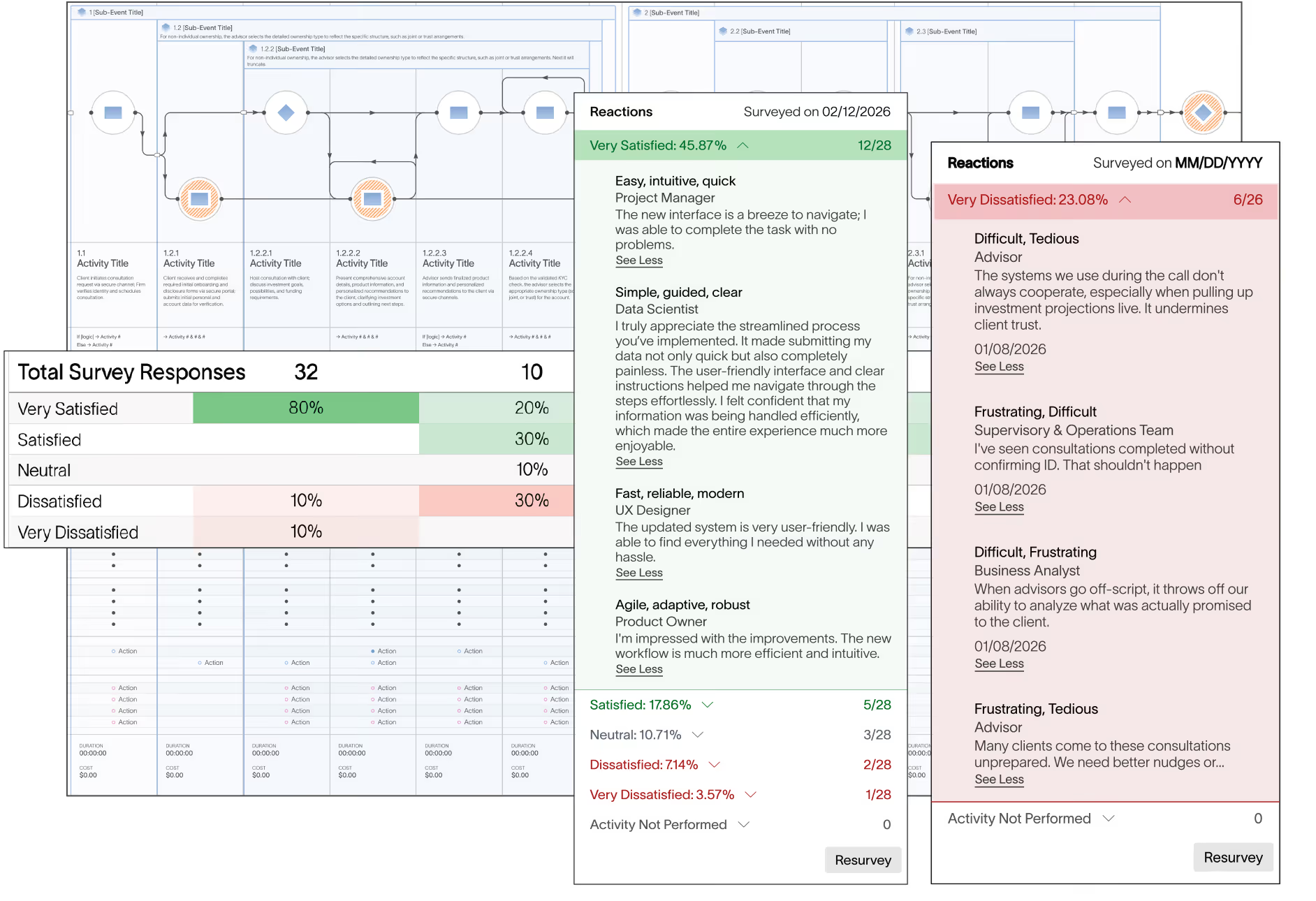 EnterpriseDesignCatalogDFM process model
Subevent of the DFM process model. Vendors propose, present, and prototype before ranking.
Risk & Compliance teams ensure work can be explained, defended, and trusted.
But audit evidence often falls behind actual execution, from workarounds to off-system work.
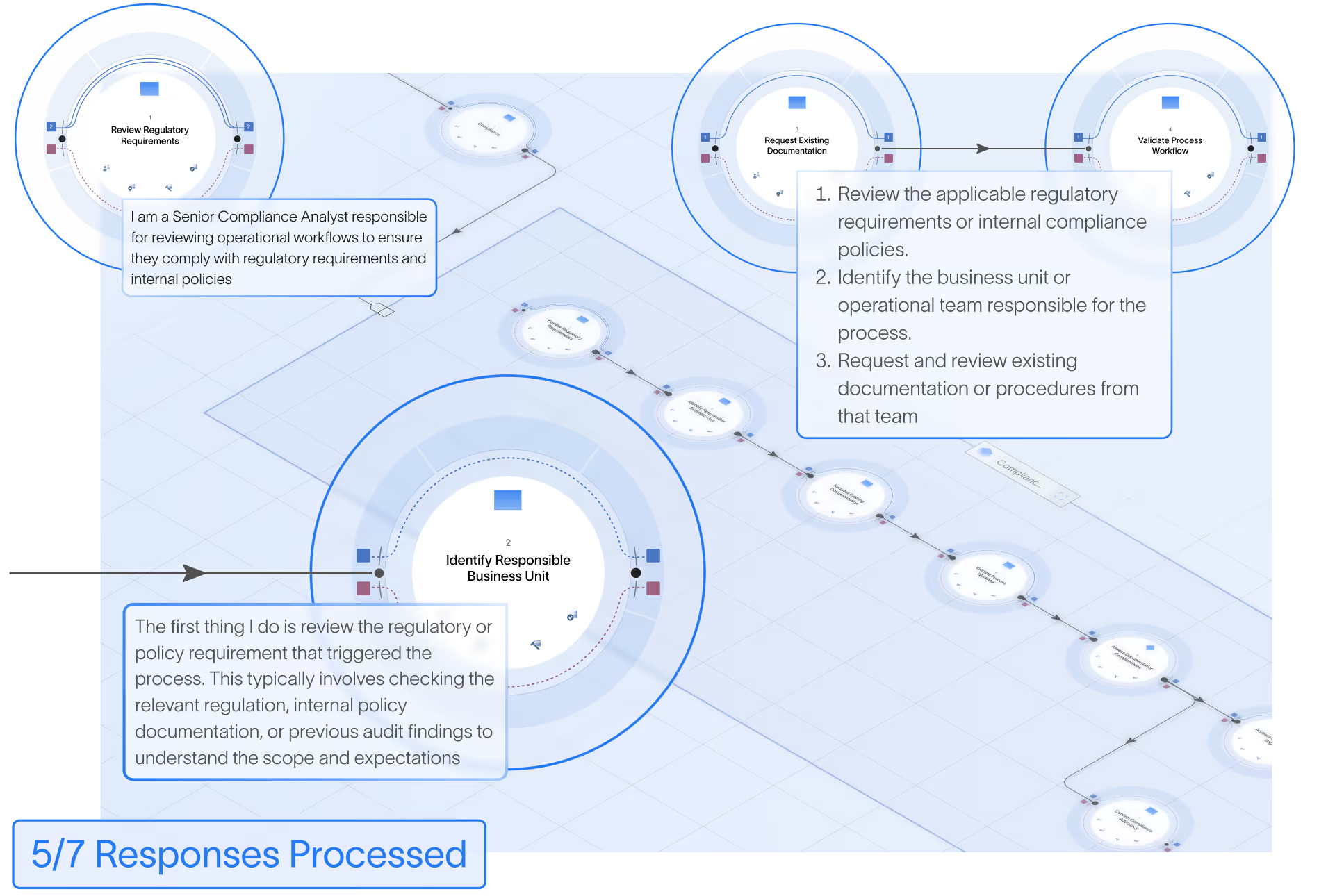 EnterpriseDesignCatalogQuarterly access review|V0.1XHO
“Urgent changes skip the CAB and get approved in chat.”
“I re-enter every request into Jira by hand.”
“We only see a change after it is deployed. By then the risk review is a formality and nobody reopens it.”
“Nobody tracks what a failed change costs.”
“Standard changes wait a week for one signature.”
“Triage depends on who picks up the ticket. Two of us route by instinct, the rest follow a checklist from 2021.”
“Rollback plans live in a shared drive.”
“Risk scoring is a spreadsheet emailed on Fridays, then copied into three other trackers before anyone approves.”
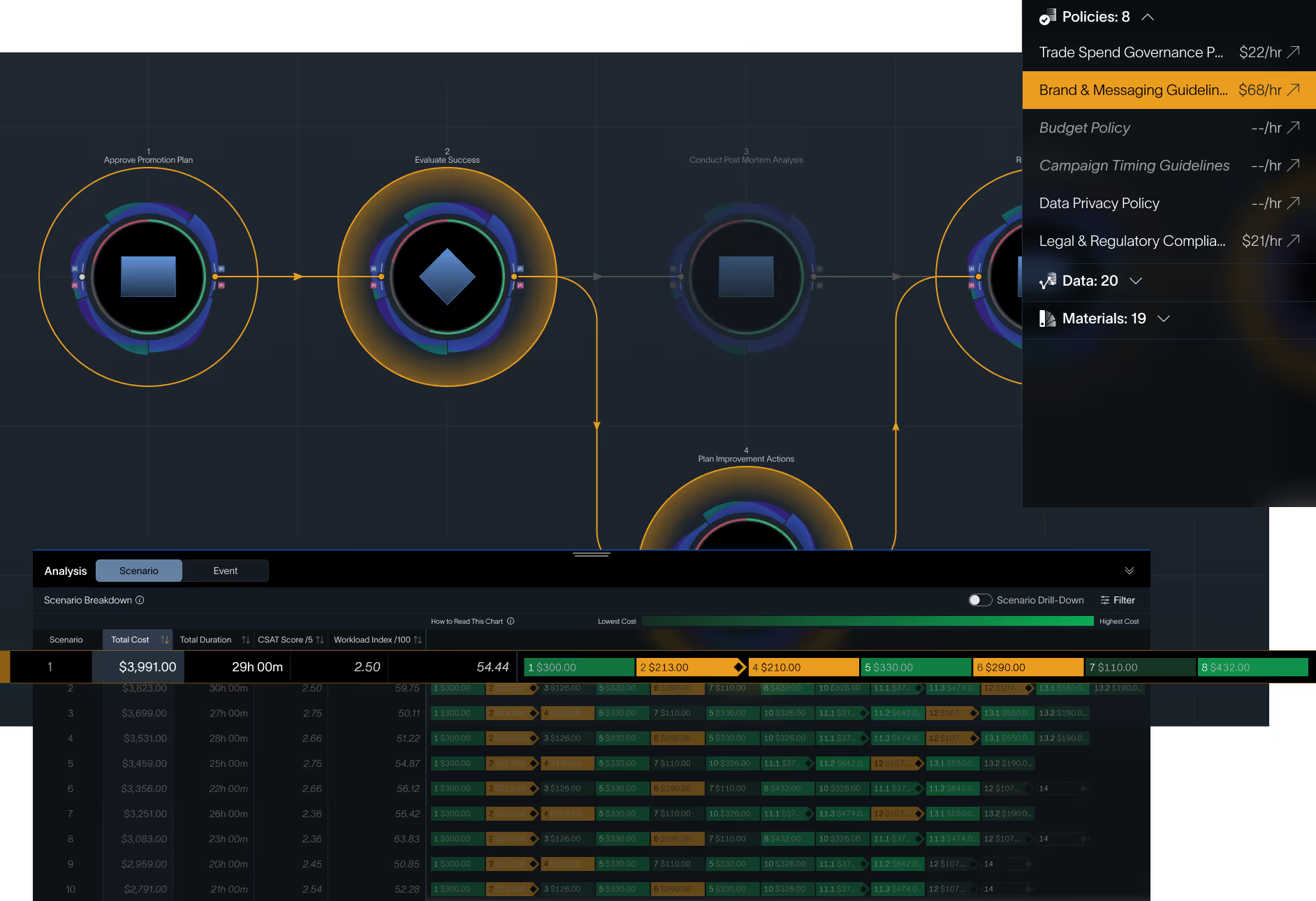 EnterpriseDesignCatalogQuarterly access review|V0.1XHO
Participants said urgent exceptions are approved in chat or by phone, so the approval never reaches the audit log.
3 respondents · 3 quotes“Exceptions get approved in chat, so nothing reaches the audit log.”
Service desk analyst 1“If it is urgent I message the manager and provision it right away.”
IT administrator 2Participants said contractor accounts stay active after projects end because the quarterly review only covers employees.
2 respondents · 2 quotes“Contractor access stays open after projects end. Nobody re-certifies it.”
IT security lead 1“The review list comes from HR, so contractors are never on it.”
Compliance manager 1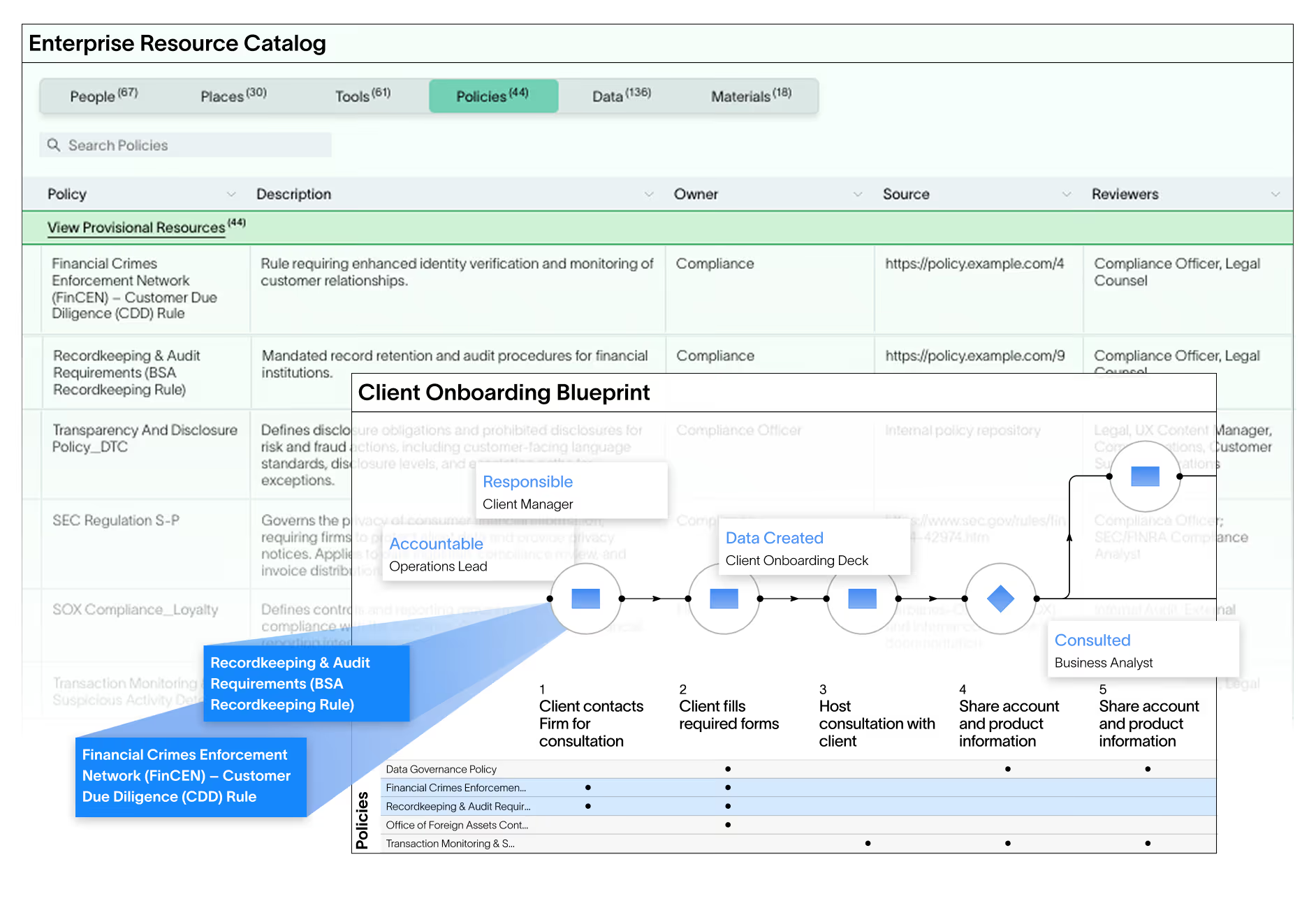 EnterpriseDesignCatalogDFM process model
Design for manufacturing review. Vendors present, prototype, and complete a lab study before award.
We’re Pioneers,
Always Have Been
See how Zenda turns transformation discovery into a working operating model, in days.
Show me